
Availability Heuristic
Probability judgements ride on how easily examples come to mind, so vivid and recent events swamp long-run frequencies. It is why portfolio insurance sells best after crashes and leverage after rallies, and why the last crisis is always over-hedged. The fix is mechanical: pull the longest data series available and let the count, not the memory, set the estimate.
Start here
- The Undoing ProjectMichael Lewis, 2016
- Thinking, Fast and SlowDaniel Kahneman, 2011
- A Short History of Financial EuphoriaJohn Kenneth Galbraith, 1990
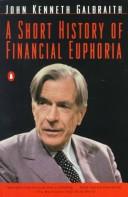
The recurring features of speculative booms, and why short memories bring them back.
Recommended by: Howard Marks and 2 others
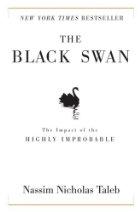
Rare, unforeseen, high-impact events drive history, explained only after the fact.
“The message of The Black Swan is how important it is to realize that the things everyone rules out can still come to pass.” — Howard Marks
Source: Oaktree memo 'The Limits to Negativism'
Recommended by: Howard Marks, Marc Andreessen, Nat Eliason and 18 others
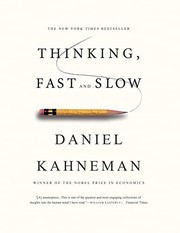
Kahneman's synthesis of behavioral economics is the cognitive science underpinning every negotiation tactic. Anchoring, loss aversion, framing effects, and the planning fallacy — understanding why these biases operate, not just that they exist, makes you harder to exploit and more honest about your own irrationality.
“…books I've recommended, highlighted to death, or forced on friends.” — Andrew Wilkinson
Source: Andrew Wilkinson's Bookshelf, neverenough.com
Recommended by: Andrew Wilkinson, Charles de Vaulx and 32 others
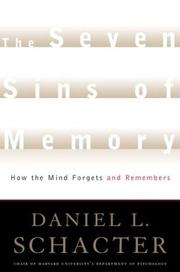
Seven everyday ways memory fails, from fading over time to blocking a known name.
Recommended by: Shane Parrish
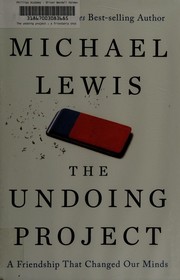
Michael Lewis's account of the Kahneman-Tversky collaboration works as intellectual biography and as a second path through the research for readers who find academic writing slow. The friendship and its eventual fracture clarifies how two very different minds produced work that neither could have done alone.
Recommended by: Andrew Wilkinson, Mohnish Pabrai, Ray Dalio and 6 others

Why people misjudge risk; the availability heuristic in public life
Recommended by: Morgan Housel

A working catalogue of 99 cognitive errors, organized so you can actually use it. Less academic than Kahneman, more encyclopedic than Duke. The format — one bias per short chapter — makes it useful as a pre-mortem checklist before consequential decisions.
Recommended by: Mohnish Pabrai
 Daniel Kahnemanwrote 1 book here
 John Kenneth Galbraithwrote 1 book here
 Michael Lewiswrote 1 book here
 Nassim Nicholas Talebwrote 1 book here
 Mohnish Pabrairecommends 4 books here
 Howard Marksrecommends 2 books here
 Marc Andreessenrecommends 2 books hereNassim Nicholas Talebrecommends 2 books here
 Ray Daliorecommends 2 books here
 Alfred Linrecommends 2 books here
 Bill Gatesrecommends 2 books here
 Naval Ravikantrecommends 2 books here
Show all 55
 Charlie Mungerrecommends 1 book here
 Peter Thielrecommends 1 book here
 Seth Klarmanrecommends 1 book here
 Ryan Holidayrecommends 1 book here
 Simon Sinekrecommends 1 book here
 Albert Wengerrecommends 1 book here
 Amy Hoodrecommends 1 book here
 Bryan Johnsonrecommends 1 book here
 Daniel Burkarecommends 1 book here
 Ev Williamsrecommends 1 book here
 James Altucherrecommends 1 book here
 Jeff Bezosrecommends 1 book here
 Julie Zhuorecommends 1 book here
 Mark Cubanrecommends 1 book here
 Matt Mullenwegrecommends 1 book here
 Patrick Collisonrecommends 1 book here
 Ron Conwayrecommends 1 book here
 Sam Altmanrecommends 1 book here
 Satya Nadellarecommends 1 book here
 Stewart Brandrecommends 1 book here
 Tristan Harrisrecommends 1 book here
 Vlad Tenevrecommends 1 book here
- Availability BiasShane Parrish · essay · Ease of recall masquerades as probability.
- Availability Bias: The Cognitive DistortionShane Parrish · essay · Vivid recent events swamp long-run frequencies.
- Bayes and Base RatesMichael J. Mauboussin · paper · How history should discipline a forecast's starting point.
- The Three Sides of RiskMorgan Housel · essay · Odds, average consequence, and the tail that ends you.