Investors and the history of markets
Long-run return studies, investor memoirs and profiles, and histories of investing ideas, hedge funds and stock exchanges.
Start here
- Confusion de ConfusionesJoseph de la Vega, 1688
- Stocks for the Long RunJeremy J. Siegel, 1994
- Anatomy of the BearRussell Napier, 2005
- The World's First Stock ExchangeLodewijk Petram, 2014
- VC: An American HistoryTom Nicholas, 2019
Dialogues on trading Dutch East India Company shares in 1680s Amsterdam.
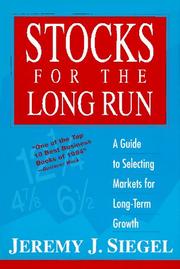
US returns since 1802 show stocks beat bonds and cash over every long period.
“his book "Stocks for the Long Run" contributed greatly to the bull market's middle years” — Howard Marks
Source: Oaktree memo 'Irrational Exuberance'
Recommended by: Howard Marks
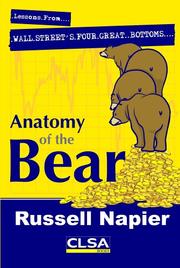
What markets looked like at the US stock bottoms of 1921, 1932, 1949 and 1982.
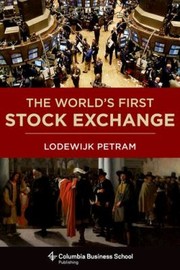
How trading in Dutch East India Company shares grew into the first stock market.
American venture capital traced back to whaling, and why it took the shape it has.
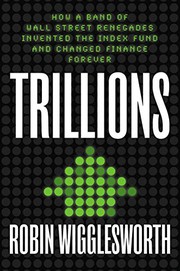
History of indexing; Bogle and Vanguard are its central thread.
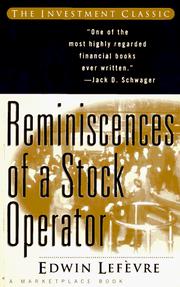
A speculator modelled on Jesse Livermore learns to read and trade the market.
“The finest trading book ever written is Reminiscences of a Stock Operator by Edwin LeFevre. It is colloquial reminiscences by a legendary speculator of the mistakes and lessons he learned over a…” — Barton Biggs
Source: Biggs calling it the finest trading book ever written
Recommended by: Barton Biggs, Bill Miller, Colm O'Shea and 5 others
Recommended by: Warren Buffett
Why Wall Street grows rich on fees while its clients' results stay ordinary.
“recommended reading for those with a healthy disdain for Wall Street and its practices as well as an interest in post-boom psychology” — Nick Sleep
Source: Nomad Investment Partnership, Interim Report for the period ended June 30th, 2002, p. 10
Recommended by: Mohnish Pabrai, Nick Sleep, Warren Buffett and 4 others


Markets as a game of crowd psychology, seen through 1960s go-go Wall Street.
“One of the great books about investing is Adam Smith's 'The Money Game' which was published in 1967.” — Barton Biggs
Source: Biggs on one of the great books about investing
Recommended by: Barton Biggs, Howard Marks, Mohnish Pabrai and 5 others

Wall Street from the late-1960s boom to the 1970 to 1973 collapse.
Recommended by: Mohnish Pabrai, Warren Buffett
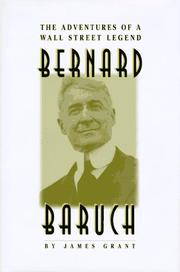
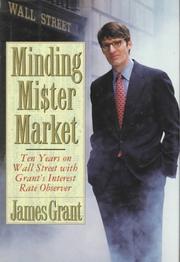
title listed on grantspub.com books page
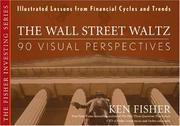
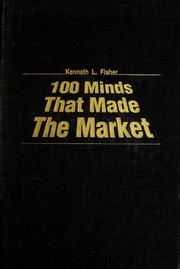
Recommended by: The Barefoot Investor
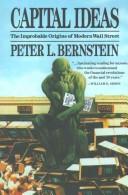
How Markowitz, Sharpe, Fama, Black and Scholes built the theory of modern finance.
How credit cards, money market funds and discount brokers reached ordinary Americans.
Recommended by: Mohnish Pabrai, Patrick Collison and 1 other
How people learned to measure risk, from early probability to portfolio theory.
“I think some of the books that are a must would be Peter Bernstein's book about risk, Against the Gods: The Remarkable Story of Risk.” — Charles de Vaulx
Source: De Vaulx naming Bernstein's book a must-read on risk
Recommended by: Charles de Vaulx, Jim Collins and 8 others
Recommended by: Mohnish Pabrai
Recommended by: Mohnish Pabrai
Recommended by: Mohnish Pabrai
Recommended by: Mohnish Pabrai
Three generations compounding a fortune through insurance stocks
“When John Rothchild combines history and biography with investing in one package, history illuminates the biography and investing. This is a sparkling book on each level, but even more so as an…” — Peter Bernstein
Source: Bernstein on Rothchild mixing history, biography and investing
Recommended by: Mohnish Pabrai, Peter Bernstein and 1 other
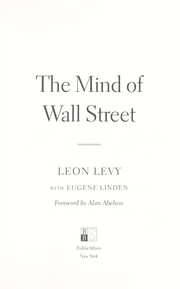
A value investor's memoir from the 1950s to the dot-com crash, on market psychology.
“Personal biographies, the histories, are the most interesting. I have Benjamin Graham's personal biography, also the biography of Leon Levy, The Mind of Wall Street. These are all great.” — Chris Mittleman
Source: Mittleman on why investor biographies are the most useful reading
Recommended by: Chris Mittleman
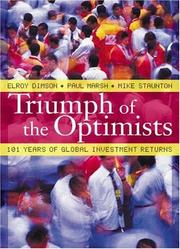
Stock, bond and bill returns for sixteen countries from 1900 to 2000.
Recommended by: Mohnish Pabrai
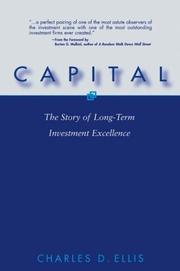
How Capital Group built its long-term investing culture.
Recommended by: Mohnish Pabrai
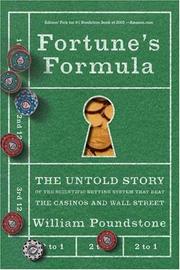
The Kelly criterion for sizing bets, from Bell Labs to casinos and hedge funds.
Recommended by: Mohnish Pabrai
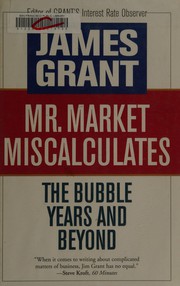
Collected Grant's essays; title listed on grantspub.com books page
Recommended by: Mohnish Pabrai
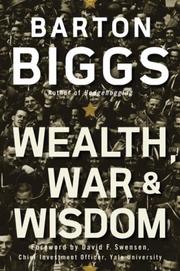
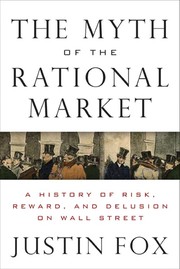
Recommended by: Mohnish Pabrai
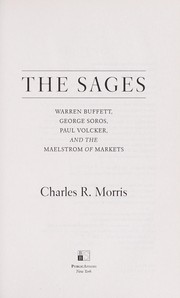
Recommended by: Mohnish Pabrai
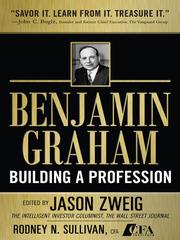
Edited collection of Graham's own writings and interviews
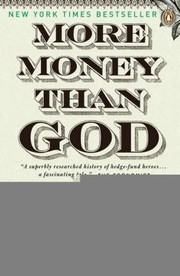
Hedge funds from Alfred Winslow Jones in 1949 through Soros, Robertson and beyond.
“It's hard to imagine anyone will ever write a better book on the subject.” — Paul Graham
Source: Paul Graham on X (Apr 8, 2021)
Recommended by: Mohnish Pabrai, Paul Graham, Josh Wolfe and 1 other
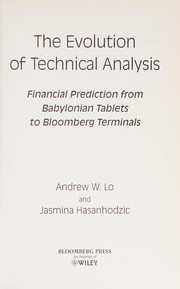
Forecasting prices from past prices, from Babylonian records to quantitative trading.
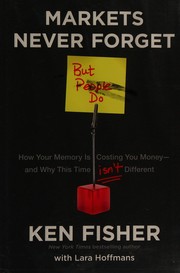
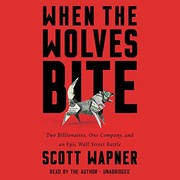
Ackman against Icahn over Herbalife; the MLM model argued in public.
“Wall Street"-esque battle between Bill Ackman and Carl Icahn over unlikely target Herbalife.” — Marc Andreessen
Source: @pmarca, 'Thread: Books I've recently read and recommend'
Recommended by: Marc Andreessen
the 2025 Faber title is not yet catalogued
 James Grantwrote 3 books here
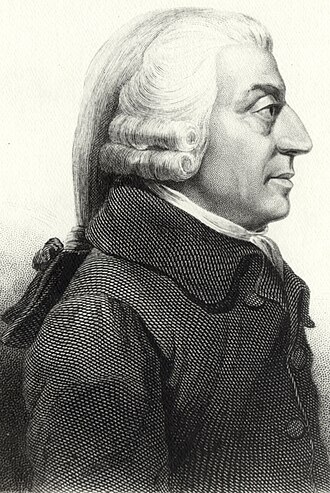 Adam Smithwrote 2 books here
 Andrew W. Lowrote 1 book here
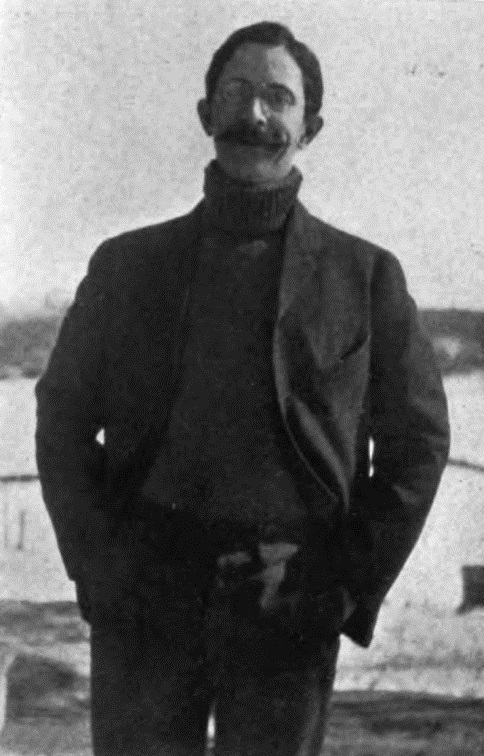 Edwin Lefevrewrote 1 book here
 Jeremy Siegelwrote 1 book here
Show all 17
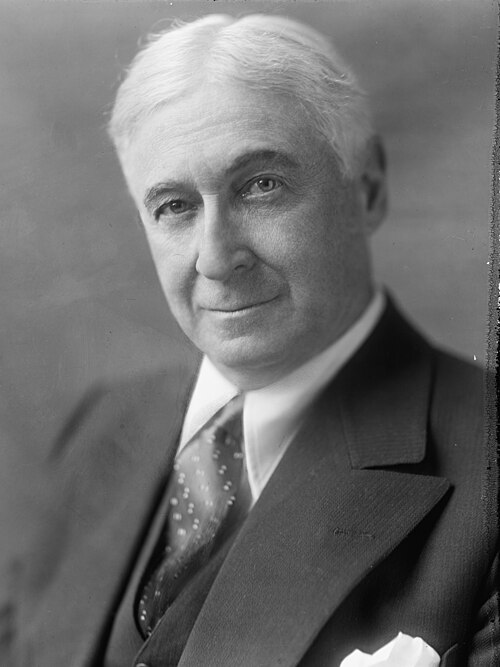
 Mohnish Pabrairecommends 21 books here
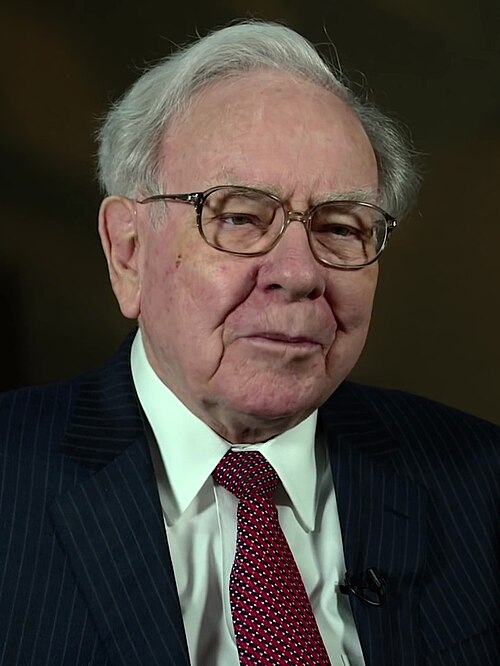 Warren Buffettrecommends 5 books here
 Howard Marksrecommends 3 books here
 Marc Andreessenrecommends 2 books here
 Patrick Collisonrecommends 2 books here
 Jim Collinsrecommends 1 book here
Show all 31
 Paul Grahamrecommends 1 book here
 Paul Tudor Jonesrecommends 1 book here
 Guy Spierrecommends 1 book here
 Michael Bloombergrecommends 1 book here
 Tim Ferrissrecommends 1 book here