
Philosophy
Ethics, metaphysics, epistemology, political philosophy and the practical wisdom traditions including Stoicism, aphorism and the examined life. Read by people asking how to think and how to live rather than what to do on Monday.
Start here
- MeditationsMarcus Aurelius, 1626
- Poor Richard's AlmanackBenjamin Franklin, 1732
- The Theory of Moral SentimentsAdam Smith, 1759
- On the Principles of Political Economy and TaxationDavid Ricardo, 1817
- The MuqaddimahIbn Khaldun, 1858

A Roman emperor's private notes reminding himself to live by Stoic principles.
Recommended by: Mohnish Pabrai, Nat Eliason, Naval Ravikant and 17 others

An almanac of proverbs and maxims urging thrift, industry and courtesy.
Recommended by: Tim Ferriss
How moral judgement grows from sympathy and an imagined impartial spectator.
Recommended by: Mohnish Pabrai

Rent, wages, profit and comparative advantage, reasoned from first assumptions.

Why states rise and fall, explained through asabiyyah, the cohesion of a group.
Recommended by: Mohnish Pabrai, Mark Zuckerberg

How a search for a philosophy of his own led him to Christian theology.
Capitalism runs on creative destruction, and its success may lead it to socialism.
Essays on self-knowledge and how unreliable one's own judgement is.
Recommended by: Nassim Nicholas Taleb
Falsifiability as the line between science and non-science.

Science moves through long stretches of normal work broken by paradigm shifts.
Recommended by: Nat Eliason, Charlie Munger, Mark Zuckerberg and 5 others

Knowledge grows by bold guesses that we then try to refute, not by proof.
Recommended by: Patrick Collison
How a mind could arise from parts, traced through Godel, Escher and Bach.
Recommended by: Nat Eliason, Naval Ravikant, Demis Hassabis and 3 others

How television turned public discourse from argument into entertainment.
Recommended by: Nat Eliason, Keith Rabois, Matt Mullenweg and 3 others

How shared fictions such as money, nations and gods let humans cooperate at scale.
“…books I've recommended, highlighted to death, or forced on friends.” — Andrew Wilkinson
Source: Andrew Wilkinson's Bookshelf, neverenough.com
Recommended by: Andrew Wilkinson, Bill Gates, Mohnish Pabrai and 38 others

End-of-life and hospice care, and why medicine should aim at well-being.
Recommended by: Mohnish Pabrai, Bill Gates, Julie Zhuo

Books One to Three: division of labour, money, prices, wages, profit and capital.
Recommended by: Mohnish Pabrai

Books Four and Five: the case against mercantilism, and the role of the state.
Recommended by: Mohnish Pabrai
Language, logic and the limits of what can be said about the world.
Recommended by: Reid Hoffman


The one pattern of the hero's journey that runs through myths across cultures.
Recommended by: Nat Eliason, Patrick O'Shaughnessy and 2 others
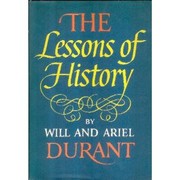
Recurring patterns drawn from world history: biology, morals, religion, economics.
“…books I've recommended, highlighted to death, or forced on friends.” — Andrew Wilkinson
Source: Andrew Wilkinson's Bookshelf, neverenough.com
Recommended by: Andrew Wilkinson, Balaji S. Srinivasan and 12 others

A father and son's motorcycle trip framing an inquiry into what Quality means.
“If you pick it up and read it, I suspect most of you will give up before you get to the end—but please try.” — Mohnish Pabrai
Source: Mental Models for Running Startups and Businesses, SXSW 2026, March 16, 2026
Recommended by: Brad Feld, Mohnish Pabrai, Nick Sleep and 8 others
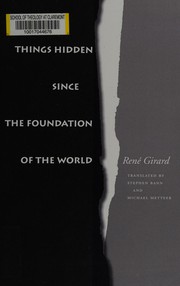
Mimetic rivalry, where rivals grow alike, and the violence it unleashes in societies.
Recommended by: Patrick Collison, Eric Weinstein and 1 other

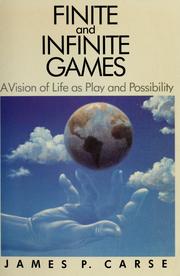
Finite games are played to win; infinite games are played to keep playing.
Recommended by: Nat Eliason, Daniel Gross, Derek Sivers and 8 others

Applies the Seven Habits to organisations: lead by fixed principles, not by values.
Recommended by: Mohnish Pabrai
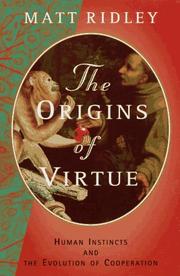
How cooperation and morality evolved from self-interest, via the prisoner's dilemma.
“I really highly, highly recommend picking up Genome, The Red Queen, Origins of Virtue, The Rational Optimist, and The Evolution of Everything.” — Naval Ravikant
Source: The Tim Ferriss Show — Naval Ravikant Q&A, full transcript
Recommended by: Mohnish Pabrai, Naval Ravikant, Ryan Holiday

Reality through four strands: many-worlds physics, computation, evolution, Popper.
Recommended by: Naval Ravikant, Patrick Collison and 2 others

How the sciences and humanities can be unified by causal links from physics up.
“I was inspired by E. O. Wilson's book Consilience, which came out in 1998 and is a book I'd recommend.” — Michael Mauboussin
Source: MOI Global interview with Michael Mauboussin
Recommended by: Michael Mauboussin, Mohnish Pabrai

A dialogue on thinking clearly: reality is simple, conflicts can be resolved.
Recommended by: Mohnish Pabrai
How humanity and technology together keep widening the opportunities open to people.
Recommended by: Patrick Collison, Stewart Brand, Nir Eyal
Knowledge can grow without limit through good explanations that are hard to vary.
Recommended by: Nat Eliason, Naval Ravikant, Albert Wenger and 5 others

Why societies should put sustainable long-run growth almost above all else.
Recommended by: Jackie Vullinghs, Patrick Collison
Why economics misapplies probability to problems where the future is unknowable.

The struggle to make machine learning systems do what people actually intend.
Recommended by: Sam Altman

Short pieces of advice on living, goals, generosity, careers, family and money.
Recommended by: Andrew Wilkinson, Matt Mullenweg
Bacon's utopia of organised research; science as an institution
Recommended by: Patrick Collison, Peter Thiel

Elite theory: who actually rules, and why stated aims mislead
“The book that I always recommend on this topic is called "The Machiavellians," which is this sort of a famous book from the 1940s” — Marc Andreessen
Source: The a16z Show — Marc Andreessen with David Senra (transcript)
Recommended by: Marc Andreessen

Girard reading Dostoevsky; mimetic rivalry and resentment
Recommended by: Peter Thiel

Campbell on the recurring stories cultures tell themselves
Recommended by: Jim Collins, Nat Eliason, David Perell and 3 others

The plateau and long practice; mastery as a delayed reward
Recommended by: Ev Williams, Patrick O'Shaughnessy and 1 other

Genes as a river of digital information; a short Dawkins primer
Recommended by: Ray Dalio

Diamond's central question — why did some civilizations come to dominate others over 10,000 years? — is precisely the kind of question that requires long-term thinking to even ask. The answer, rooted in geography and biology rather than culture or intelligence, is a model for how to reason about slow causes and fast effects.
“This is an insightful read on the pace at which societies develop and why.” — Christopher Bloomstran
Source: Semper Augustus 2023 Letter to Clients, 'Worldly Wisdom', p. 81
Recommended by: Charlie Munger, Christopher Bloomstran and 14 others

Eco on how we categorise the world and where categories fail
Recommended by: Nassim Nicholas Taleb
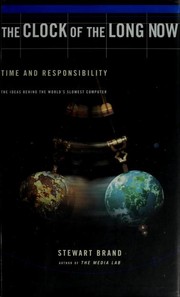
Brand's book is the founding document of institutional long-term thinking. It proposes a 10,000-year clock as a forcing function for civilizational patience, and along the way develops the concept of pace layers — the idea that different structures (fashion, commerce, governance, culture, nature) change at radically different speeds, and that confusing these speeds is the root of most short-termism.
Recommended by: Bret Victor, Phil Libin, Stewart Brand
History read as an expanding series of non-zero-sum games
Recommended by: Mohnish Pabrai, Ev Williams, Nick Thompson and 1 other
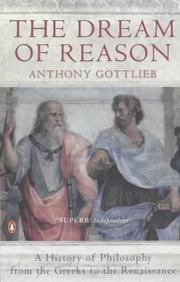
History of Western philosophy from the Greeks to the Renaissance
Recommended by: Mohnish Pabrai, Nassim Nicholas Taleb
Nozick on objectivity and what stays invariant across perspectives
Recommended by: Nassim Nicholas Taleb

How evidence and probability were reasoned about before formal statistics
Recommended by: Nassim Nicholas Taleb

Elster on mechanisms rather than laws in the social sciences
Recommended by: Mohnish Pabrai, Nassim Nicholas Taleb
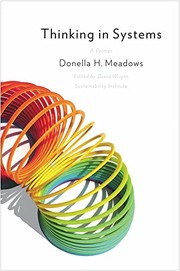
Meadows wrote this before systems thinking became a popular phrase, and it remains the clearest account of why short-term interventions in complex systems so often backfire. The chapter on leverage points is the conceptual core of what long-term thinking actually requires from decision-makers.
Recommended by: Patrick O'Shaughnessy, Daniel Burka and 3 others
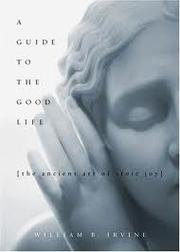
Modern Stoicism; desire management and negative visualisation
“…books I've recommended, highlighted to death, or forced on friends.” — Andrew Wilkinson
Source: Andrew Wilkinson's Bookshelf, neverenough.com
Recommended by: Andrew Wilkinson, Austen Allred and 7 others

A quant on confusing models with reality, in finance and life
Recommended by: Nassim Nicholas Taleb

Short essays on the scientific concepts most worth adopting
Recommended by: Morgan Housel, Patrick Collison

Recommended by: Ryan Holiday, James Altucher, Jordan Hughes and 3 others
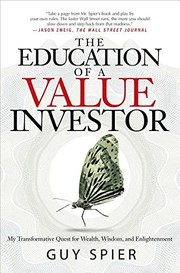
Spier on the psychology and habits behind durable value investing.
“…books I've recommended, highlighted to death, or forced on friends.” — Andrew Wilkinson
Source: Andrew Wilkinson's Bookshelf, neverenough.com
Recommended by: Andrew Wilkinson, Christopher Bloomstran and 1 other

The limits of scientific knowledge and what cannot be measured
Recommended by: Shane Parrish
When the simpler theory is the better one: the principle of parsimony tested.

How present certainties will look to the future; outside view applied
“Hard to read and not emerge humbled.” — Marc Andreessen
Source: @pmarca, 'Thread: Books I've recently read and recommend'
Recommended by: Marc Andreessen, Brad Feld, Bryan Johnson and 1 other

Recommended by: Andrew Wilkinson, David Cancel, Nat Eliason and 4 others
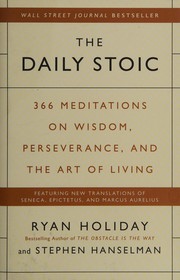
Recommended by: Alex Lieberman, Matej Latin

Recommended by: Cal Newport, Jordan Hughes

Wallace-Wells's inventory of worst-case climate projections is included here not as a climate book but as a case study in what happens when institutions consistently discount long-term risk. The scenarios he describes are already visible in the data; they were predictable decades ago. This is what the failure of long-term thinking looks like from inside it.
Recommended by: George Hatzis, Vinod Khosla

Burkeman's book on finitude is the necessary counterweight to grandiose civilizational thinking. Four thousand weeks is approximately an 80-year life, and Burkeman's argument — that productivity systems typically function as denial mechanisms against this fact — forces the question of how a mortal agent ought to orient toward long-term causes. The tension between personal finitude and multigenerational obligation is never fully resolved here, which is exactly right.
Recommended by: Andrew Wilkinson, The Barefoot Investor and 1 other

MacAskill's longtermist argument, grounded in effective altruism, is the most rigorous philosophical case for prioritizing future people. His core claim — that if the future contains vast numbers of people, influencing its trajectory matters more than almost anything we might do for the present — is informed by Derek Parfit's work on personal identity and is the most demanding version of the long-term thinking argument.
Recommended by: Andrew Wilkinson, Ali Abdaal
Dawkins narrates the whole of evolutionary history as a pilgrimage backward in time, meeting ancestors at each branching point. The cumulative effect is a felt sense of deep time that no abstract statement about 'billions of years' can produce. Reading this first recalibrates everything that follows.
Recommended by: Patrick Collison

Six ways of thinking that help people plan for generations ahead.


Recommended by: Peter Thiel


“I mean, there's ancient wisdom in Schopenhauer, read Counsels and Maxims.” — Naval Ravikant
Source: The Tim Ferriss Show #473 — Naval Ravikant, full transcript
Recommended by: Naval Ravikant
Recommended by: Nat Eliason, Patrick O'Shaughnessy

Recommended by: Nat Eliason, Tim Ferriss, Tony Robbins

Recommended by: Mohnish Pabrai, Ryan Holiday
Recommended by: Mark Zuckerberg
Recommended by: Vlad Zamfir

Recommended by: Jim Kwik

Examples showing what the logical-analytic method in philosophy can and cannot do.
Recommended by: Patrick Collison
Recommended by: Nat Eliason, Naval Ravikant
Recommended by: Mohnish Pabrai, Tim Cook
Recommended by: Richard Branson
Recommended by: Patrick Collison

Recommended by: Mohnish Pabrai, Warren Buffett

Recommended by: Mohnish Pabrai

Recommended by: Patrick Collison

A psychologist's study of modern people's spiritual search.
Recommended by: Mohnish Pabrai

Recommended by: Nat Eliason, Patrick Collison, Ed Cooke

A novel in which industrialists vanish from an economy run by government directives.
Recommended by: Brian Armstrong, Mohnish Pabrai, Nat Eliason and 18 others



Recommended by: Patrick Collison, Paul Graham

Recommended by: Ray Dalio

A novel of an architect who will build only by his own judgment, whatever it costs.
Recommended by: Mohnish Pabrai, Ev Williams, Iman Gadzhi and 5 others


A reading of Xenophon's Hiero, where a tyrant and a poet weigh the uses of tyranny.
Recommended by: Peter Thiel

A poem arguing that all is atoms and void, the soul dies, and religion breeds fear.
Recommended by: Stewart Brand
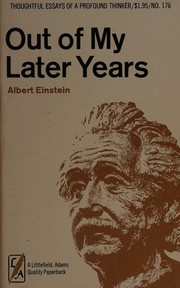
Essays, talks and letters from 1934 to 1950 on social, religious and school issues.
Recommended by: Eric Weinstein

Recommended by: Patrick Collison

Ways to end humanity's conflicts with nature, with other people and within the self.
Recommended by: Patrick Collison

Recommended by: Patrick Collison

Recommended by: Mohnish Pabrai

Recommended by: Patrick Collison

Recommended by: Nat Eliason, Naval Ravikant, Ryan Holiday and 1 other
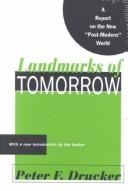

Argues that scientific knowledge joins personal experience, moral judgement and data.
Recommended by: Charles Koch

Recommended by: Mohnish Pabrai, Naval Ravikant
Recommended by: Ricardo Semler


Recommended by: Patrick Collison


Creativity in humour, science and art as 'bisociation': joining two unrelated frames.
Recommended by: Patrick O'Shaughnessy, Adam Robinson

Recommended by: Mohnish Pabrai, Naval Ravikant
Recommended by: Sheryl Sandberg
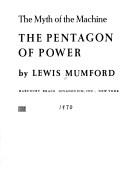
The forces that have shaped technology since prehistory and now shape modern people.
Recommended by: Patrick Collison
Life in Nazi concentration camps, and logotherapy: finding meaning to survive.
“I have been deeply influenced by the existentialist and eminent psychiatrist Viktor Frankl, who wrote the perennial best seller Man's Search for Meaning, one of the most influential books I've ever…” — Frank Martin
Source: Martin on one of the most influential books he has read and reread
Recommended by: Frank Martin, Mohnish Pabrai, Nat Eliason and 24 others

Recommended by: Nick Huber



Recommended by: Ryan Holiday, Patrick O'Shaughnessy

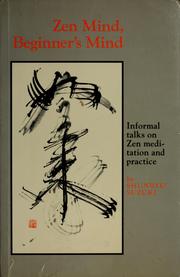
Recommended by: Nat Eliason, Patrick Collison, Kevin Rose and 1 other
Recommended by: Adam Robinson


“Bernal, The Extension of Man” — Paul Graham
Source: Rarely-Asked Questions — paulgraham.com
Recommended by: Paul Graham
Recommended by: Steve Jobs
Recommended by: Nat Eliason

How people and cultures react to death, and what that reaction does to them.
Recommended by: Nat Eliason, Eric Weinstein

Freud, Marx and Lévi-Strauss as cases of the Jewish struggle with Gentile civility.
Recommended by: Marc Andreessen

Recommended by: Sophia Amoruso

The theory that consciousness is learned, arising from a once two-chambered mind.
Recommended by: Patrick O'Shaughnessy, Adam Robinson and 3 others



Recommended by: Bret Victor


Recommended by: John Maeda, Nathan Murphy

Recommended by: Daniel Burka, David Perell

Metaphor as a basic mechanism of thought that shapes how people understand the world.
Recommended by: Nat Eliason, Matt Mullenweg, Nick Szabo and 1 other
Recommended by: Patrick Collison

Recommended by: Mohnish Pabrai


Recommended by: Mohnish Pabrai
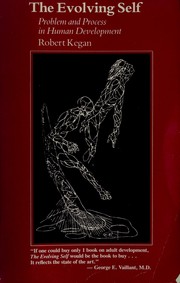

Recommended by: Mohnish Pabrai
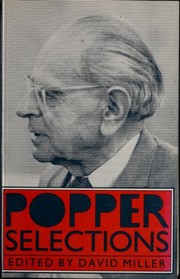
Thirty selections from Popper's writings, chosen to show the range of his ideas.
Recommended by: Patrick Collison



Analytic philosophy and logic presented through humour
Recommended by: Mohnish Pabrai, Nassim Nicholas Taleb
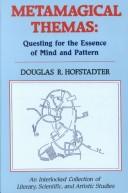

A philosophy student marries a math prodigy and weighs the mind against the body.
Recommended by: Patrick Collison


Recommended by: Marc Andreessen


Recommended by: Mohnish Pabrai, Naval Ravikant

Recommended by: Marc Andreessen
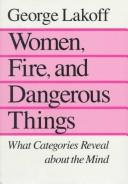
Recommended by: Matt Mullenweg
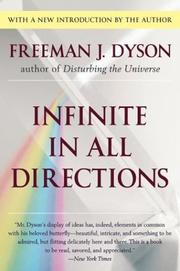
Recommended by: Stewart Brand

A critique of socialism: why morality and markets are not products of reason.
Recommended by: Nick Szabo
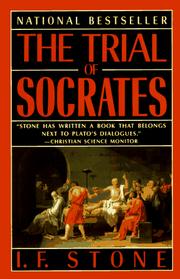

Information theory as a unifying idea across three scientists' work
Recommended by: Charlie Munger, Mohnish Pabrai


Recommended by: Mohnish Pabrai
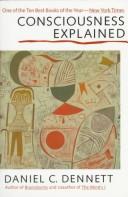
Recommended by: Mohnish Pabrai

Recommended by: Mohnish Pabrai


Myth, psychology and Sufi wisdom on how money can become a means of self-knowledge.
Recommended by: Mohnish Pabrai

Recommended by: Matt Mullenweg
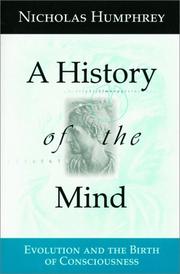

Recommended by: Nassim Nicholas Taleb


Talks and writings on religion and the search for the sacred.
Recommended by: Mohnish Pabrai

Talks and writings on relationship as a basis for solving the world's crises.
Recommended by: Mohnish Pabrai

How a culture hands its judgement to machines, statistics and technical experts.
Recommended by: Patrick Collison, Tristan Harris

Why liberal democracy may be the end state of political change, and how people react.
Recommended by: Marc Andreessen, Peter Thiel


Recommended by: Mohnish Pabrai


Recommended by: Mohnish Pabrai, Alfred Lin

Talks on how fear and dependence shape lives and keep people from seeing themselves.
Recommended by: Mohnish Pabrai

Talks on intimate relationships, isolation and self-knowledge, and facing loneliness.
Recommended by: Mohnish Pabrai

A writer's fifty-year path from Trappist monk to a forgotten universal religion.
Recommended by: Mohnish Pabrai

Recommended by: Mohnish Pabrai

Recommended by: Mohnish Pabrai

Recommended by: Mohnish Pabrai, Naval Ravikant

Recommended by: Guy Spier

Recommended by: Mohnish Pabrai


Recommended by: Mohnish Pabrai


Recommended by: Mohnish Pabrai

Recommended by: Melanie Perkins, Terrance McArthur and 1 other


Recommended by: Mohnish Pabrai, Matt Mullenweg

Recommended by: Patrick Collison
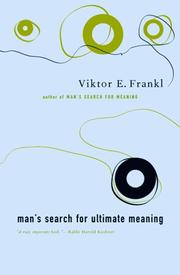
Recommended by: Mohnish Pabrai

Plays, memoirs, letters, essays, stories, poems and songs, many from the Bengali.
Recommended by: Mohnish Pabrai

Recommended by: Scott Belsky

Recommended by: Ryan Holiday


Recommended by: Jack Dorsey, Nate O'Brien, Peter Attia

Recommended by: Stewart Brand
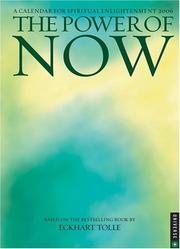
Suffering comes from identifying with the mind's chatter; freedom from living now.
Recommended by: Mohnish Pabrai, Iman Gadzhi, Justin Kan and 3 others

Recommended by: Mohnish Pabrai
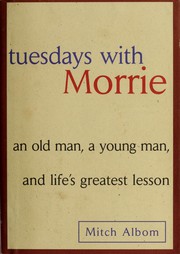
Recommended by: Mohnish Pabrai, Library Mindset

Recommended by: Mohnish Pabrai


Recommended by: Ev Williams

Recommended by: Tim Ferriss, Jerry Colonna and 1 other


A collection of Richard Feynman's best short works.
Recommended by: Brian Armstrong, Larry Page


Recommended by: Mohnish Pabrai

Recommended by: Blake Mycoskie

Recommended by: Sheryl Sandberg
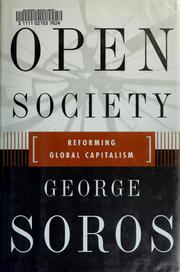
The causes of instability in the global economy and the open society as a remedy.
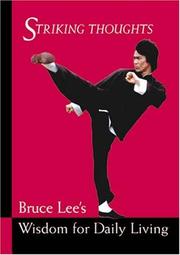
825 aphorisms on 72 topics, from spirituality to personal liberation and family.
Recommended by: Nat Eliason, Naval Ravikant
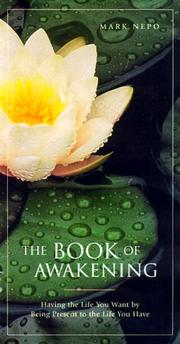
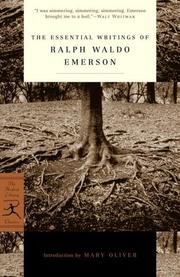
Recommended by: Tony Robbins
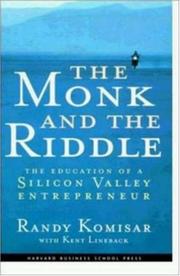
A venture adviser on startups and the trap of the deferred life plan.
Recommended by: Nat Eliason, Patrick Collison, Ev Williams and 3 others

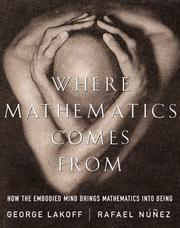
Recommended by: Bret Victor



Recommended by: Patrick Collison

Recommended by: Mohnish Pabrai

Recommended by: Mohnish Pabrai



Recommended by: Mohnish Pabrai
Recommended by: Ev Williams


Recommended by: Andrew Wilkinson, Brian Chesky
Recommended by: Mohnish Pabrai, Chris Sacca, Guy Proops

An attack on Western beliefs, from Plato to Marxism, about humanity's place.
Recommended by: Patrick Collison, Antonio García Martínez

Recommended by: Mohnish Pabrai


Recommended by: Naval Ravikant

Where the worry about others' judgement of us comes from, and how people overcome it.
Recommended by: Andrew Wilkinson, Garry Tan

Recommended by: Mohnish Pabrai

Recommended by: Andrew Wilkinson, Nat Eliason and 1 other

Recommended by: Mohnish Pabrai
Recommended by: Matt Mullenweg

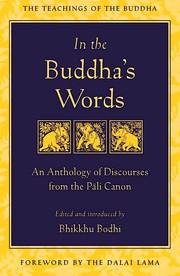

A professor living with ALS sets out his philosophy of living and of letting go.
Recommended by: Mohnish Pabrai

A philosopher defines bullshit by setting it apart from lying and humbug.
Recommended by: Paul Graham

An optimistic view of old age: virtue and a well-spent life bring happiness.
Recommended by: Mohnish Pabrai

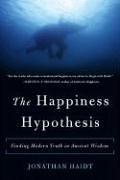
Ancient wisdom on happiness tested against modern psychology and brain research.
Recommended by: Andrew Wilkinson, Tony Hsieh
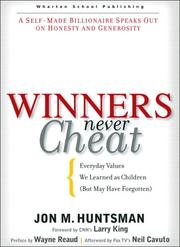
Recommended by: Mohnish Pabrai

A poet's life told from his own writings: family, loss, school reform, East and West.
Recommended by: Mohnish Pabrai

Argues that string theory is not a theory at all, since it makes no predictions.
Recommended by: Eric Weinstein
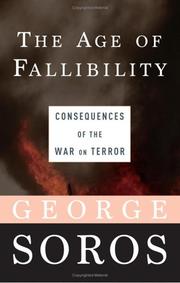

Recommended by: Brian Armstrong, Mohnish Pabrai and 1 other

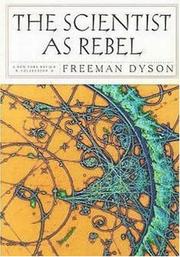
Recommended by: Patrick Collison

Recommended by: Marc Andreessen

Recommended by: Mohnish Pabrai

The idea of ugliness through history, as shown in art, literature and architecture.
Recommended by: Patrick Collison

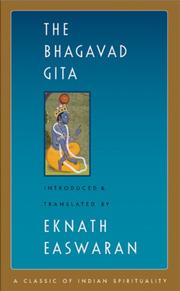
Recommended by: Nat Eliason, Naval Ravikant
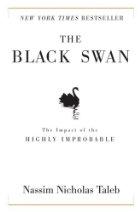
Rare, unforeseen, high-impact events drive history, explained only after the fact.
“The message of The Black Swan is how important it is to realize that the things everyone rules out can still come to pass.” — Howard Marks
Source: Oaktree memo 'The Limits to Negativism'
Recommended by: Howard Marks, Marc Andreessen, Nat Eliason and 18 others
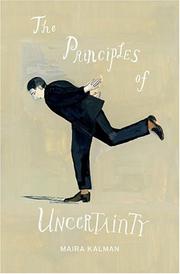
Recommended by: Caterina Fake
Recommended by: Patrick Collison
You are the awareness watching your thoughts and feelings, not those thoughts.
Recommended by: Claire Diaz-Ortiz, Daniel Gross, Mel Robbins and 2 others

Recommended by: Patrick Collison
Recommended by: Mr. Money Mustache

Recommended by: Nat Eliason, Patrick Collison

Recommended by: Nat Eliason, Ryan Holiday


Recommended by: Mohnish Pabrai, Bill Gates

Recommended by: Patrick Collison

Recommended by: Mohnish Pabrai

Recommended by: Andrew Wilkinson
Recommended by: Nat Eliason, Julie Zhuo
Recommended by: Patrick Collison, Eric Weinstein


Montaigne's life and essays, read as answers to the question of how to live.
“I also recommend Derek's other books (How To Live is especially good).” — Andrew Wilkinson
Source: Newsletter
Recommended by: Andrew Wilkinson, Patrick Collison and 2 others


Recommended by: Bill Gates, Mohnish Pabrai, Warren Buffett

Recommended by: Patrick Collison
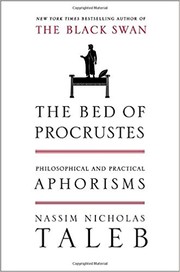
Aphorisms stating Taleb's ideas on randomness, knowledge and modern life.
Recommended by: Nat Eliason, Ryan Holiday, Matt Mullenweg and 2 others
Philosophical treatment of contingency and the practice of option trading
Recommended by: Nassim Nicholas Taleb
Courage, compassion and connection as choices that lead to wholehearted living.
Recommended by: Brené Brown, Melinda Gates


Recommended by: Warren Buffett

Recommended by: Ev Williams, Ryan Holiday


Recommended by: Mohnish Pabrai


Recommended by: Patrick Collison


Recommended by: Doug McMillon

Edwardian essay on living deliberately below your means
Recommended by: Morgan Housel

Recommended by: Mike Maples, Jr.

Recommended by: Patrick O'Shaughnessy
Recommended by: Nassim Nicholas Taleb
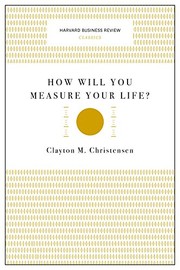
Business strategy theories applied to career, family and integrity.
Recommended by: Ali Abdaal, Mohnish Pabrai, Patrick Collison and 6 others

Recommended by: Ali Abdaal, Nat Eliason

Recommended by: Nat Eliason, Naval Ravikant, Garry Tan and 1 other


“we will be giving you a book by Sir John Templeton: this year, ''The Essential Worldwide Laws of Life''” — Prem Watsa
Source: Fairfax Financial 2016 Shareholders' Letter, p. 26
Recommended by: Prem Watsa

Recommended by: Ryan Holiday, Shane Parrish and 1 other

Recommended by: Abi Tyas Tunggal, Tim Ferriss

Recommended by: Patrick Collison

Short illustrated catalogue of the common logical fallacies
Recommended by: Shane Parrish

Thought experiments and other tools a philosopher uses to reason carefully.
Recommended by: Patrick Collison, Shane Parrish
Recommended by: Naval Ravikant


A short case against all lying, white lies included.
Recommended by: Nat Eliason, Naval Ravikant, Vinod Khosla and 3 others

Recommended by: Naval Ravikant


Alfred Adler's psychology taught through five nights of dialogue.
“This book is oddly written (it's translated from Japanese), but it changed my life.” — Andrew Wilkinson
Source: Newsletter
Recommended by: Ali Abdaal, Andrew Wilkinson, Tim Ferriss and 11 others


Recommended by: Patrick Collison

Recommended by: Patrick Collison

A method for finding the few activities that matter and dropping the rest.
Recommended by: Matt Mullenweg, Nat Eliason, Ran Segall and 10 others

“a book that historian Will Durant wrote in his 90s, a summation of his thoughts on the meaning of life at the end of his” — Andrew Wilkinson
Source: Newsletter
Recommended by: Andrew Wilkinson, Matt Mullenweg and 1 other
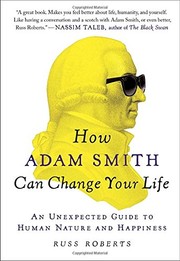
Recommended by: Tim O’Reilly

Plato brought into today's debates on religion, morality, politics and science.
Recommended by: Patrick Collison
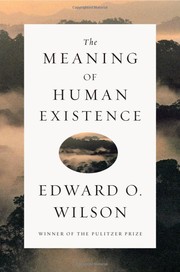
Recommended by: Ray Dalio

How to make sense of the daily torrent of news, and what it does to our minds.
Recommended by: Andrew Wilkinson, Antonio García Martínez


Twelve rules for living, each drawn from clinical practice, biology and myth.
Recommended by: Nat Eliason, Alex and Books, Ana Fabrega and 7 others


Letters on how to live, a course in Stoic philosophy written to a friend.
Recommended by: Mohnish Pabrai, Nat Eliason, Ryan Holiday and 3 others

Recommended by: Patrick Collison, Paul Graham

Portraits of people living lives of extreme ethical commitment to helping strangers.
Recommended by: Patrick Collison, Nick Thompson
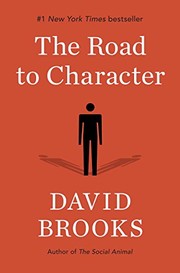
“It certainly was a stimulating read, and it got me thinking about my own motivations and limitations in new ways.” — Bill Gates
Source: Gates Notes review of The Road to Character
Recommended by: Bill Gates, Mohnish Pabrai, Alfred Lin and 1 other
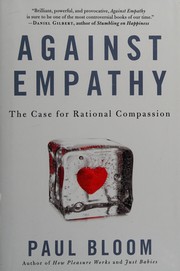

Recommended by: Shane Parrish, Matt Mullenweg


Recommended by: Richard Branson


Life is not short; people waste most of it, and how to use it well.
Recommended by: Patrick Collison, Ryan Holiday and 3 others

An engineer's approach to happiness: the illusions and brain flaws behind suffering.
Recommended by: Andrew Wilkinson, Peter Attia
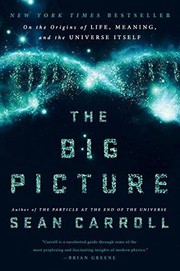
From the origin of the universe through life and consciousness to what it all means.
Recommended by: Elon Musk, Scott Farquhar
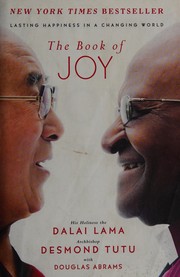

Recommended by: Ran Segall, Johnnie Gomez, Matej Latin and 1 other


Recommended by: Ray Dalio, Esther Dyson, Vinod Khosla

Recommended by: Brent Beshore, Chris Powers

The nature of space, time and the quantum world, on the road to quantum gravity.
Recommended by: Naval Ravikant

A grieving man walks the Camino de Santiago after scattering his father's ashes.
Recommended by: Matt Mullenweg

Eighty-one short chapters on the Tao, the founding text of Taoism.
Recommended by: Nat Eliason, David Perell, Jack Dorsey and 6 others
Quotation collection with commentary; thin, but the quotes are sourced.
Recommended by: Andrew Wilkinson, Chris Powers, David Cancel

Recommended by: Arianna Huffington


Recommended by: Arianna Huffington

Subtitled A Guide to Clear Thinking About Wall Street, Investing, and Life.
“I love this line from Dr. James Hollis' incredible book (one of my favorites from the last few years)” — Andrew Wilkinson
Source: Essay
Recommended by: Andrew Wilkinson


Leadership treated as the creation of meaning inside organisations
Recommended by: Reid Hoffman


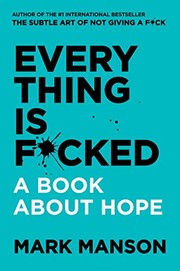

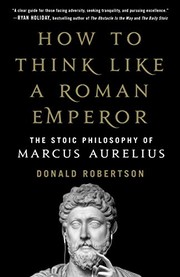
Recommended by: Patrick Bet-David, Ryan Holiday

Published in the UK as In Defence of Open Society.

Recommended by: Nat Eliason, Ed Cooke

The rationalists around LessWrong and their fear of artificial intelligence risk.

Recommended by: Ryan Hoover


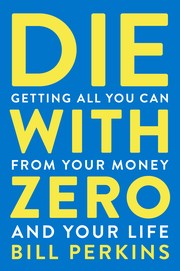
Recommended by: Ali Abdaal, Nat Eliason, James Altucher

Naval Ravikant's ideas on building wealth and being happy, gathered from his talks.
Recommended by: Balaji S. Srinivasan, Nat Eliason and 9 others

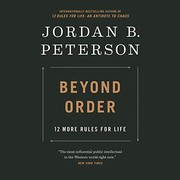
Recommended by: Naval Ravikant

“I also recommend Derek's other books (How To Live is especially good).” — Andrew Wilkinson
Source: Newsletter
Recommended by: Andrew Wilkinson


Recommended by: Melinda Gates

Rene Girard's theory that people imitate each other's desires, applied to business.
Recommended by: Andrew Wilkinson, Chamath Palihapitiya and 3 others


“Derek is one of my favorite writers, and his latest book is focused on a simple idea: our beliefs are often not necessarily true, but simply useful to us. That beliefs are tools, not truths.” — Andrew Wilkinson
Source: Newsletter
Recommended by: Andrew Wilkinson

Recommended by: Nat Eliason, Ryan Holiday, Naval Ravikant and 1 other
Standalone edition of the 2023 a16z essay; Andreessen has written no conventional book


Recommended by: Tim Ferriss
Recommended by: Tim Ferriss

Recommended by: Patrick O'Shaughnessy

Recommended by: Mohnish Pabrai


Recommended by: Mohnish Pabrai
Recommended by: Ryan Holiday


Recommended by: Mohnish Pabrai
Writings by the leader of India's independence movement on practising nonviolence.
Recommended by: Mohnish Pabrai

Essays on every kind of subject that, above all, examine human nature honestly.
Recommended by: Patrick Collison
Examples of people who turned their concern for the world into their work.
Recommended by: Richard Branson

Philosophical fragments of an unfinished defence of the Christian religion.
Recommended by: Mohnish Pabrai

Spiritual exercises in philosophy from Socrates to the early Christians.
Recommended by: Ryan Holiday
Meditations and exercises for quieting thought and living in the present moment.
Recommended by: David Cancel


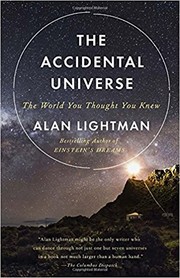
Recommended by: Patrick O'Shaughnessy

Recommended by: Ricardo Semler
Recommended by: Mohnish Pabrai
An argument that consciousness is not algorithmic and rests on quantum mechanics.
Recommended by: Patrick Collison

Recommended by: Patrick O'Shaughnessy


The mind-body problem from Descartes to today, and a case for neutral monism.
Recommended by: Mario Gabriele, Patrick Collison


What justice is, answered by building an ideal city in dialogue.
Recommended by: Patrick Collison, Mark Zuckerberg and 4 others

Recommended by: Mohnish Pabrai




Recommended by: Kevin Rose, Matt Mullenweg, Nick Thompson

Recommended by: Ev Williams


 George Soroswrote 4 books here
 Ryan Holidaywrote 4 books here
 Benjamin Franklinwrote 4 books here
 Adam Smithwrote 3 books here
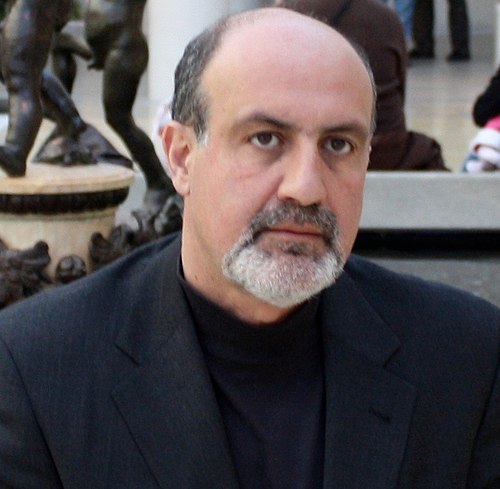 Nassim Nicholas Talebwrote 2 books here
 Kevin Kellywrote 2 books here
 Mahatma Gandhiwrote 2 books here
 Oprah Winfreywrote 2 books here
 Clayton Christensenwrote 1 book here
 John C. Boglewrote 1 book here
 Marc Andreessenwrote 1 book here
Show all 29
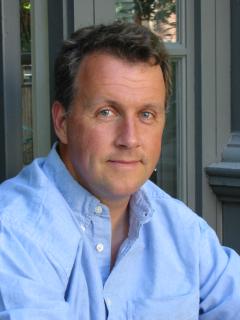 Paul Grahamwrote 1 book here
 Peter F. Druckerwrote 1 book here
 Brad Feldwrote 1 book here
 Matt Ridleywrote 1 book here
 Stephen Coveywrote 1 book here
 Tyler Cowenwrote 1 book here
 Emanuel Dermanwrote 1 book here
 Guy Kawasakiwrote 1 book here
 Guy Spierwrote 1 book here
 Brené Brownwrote 1 book here
 Stewart Brandwrote 1 book here
 Mohnish Pabrairecommends 107 books here
 Patrick Collisonrecommends 74 books here
 Naval Ravikantrecommends 67 books hereRyan Holidayrecommends 29 books here
 Tim Ferrissrecommends 28 books here
 Matt Mullenwegrecommends 20 books hereMarc Andreessenrecommends 19 books hereStewart Brandrecommends 17 books hereNassim Nicholas Talebrecommends 13 books here
Show all 211
 Ev Williamsrecommends 13 books here
 Ray Daliorecommends 11 books here
 Peter Thielrecommends 10 books herePaul Grahamrecommends 8 books here
 Bill Gatesrecommends 7 books here
 Eric Weinsteinrecommends 7 books here
 Sam Altmanrecommends 7 books here
 Antonio García Martínezrecommends 6 books here
 Arianna Huffingtonrecommends 6 books here
 Mark Zuckerbergrecommends 6 books here
 Richard Bransonrecommends 6 books here
 Steve Jobsrecommends 6 books here
 Vinod Khoslarecommends 6 books here
 Simon Sinekrecommends 5 books here
 Bryan Johnsonrecommends 5 books here
 Susan J. Fowlerrecommends 5 books here
 Tim O’Reillyrecommends 5 books here
 Zoë Foster Blakerecommends 5 books hereKevin Kellyrecommends 4 books here
 Reid Hoffmanrecommends 4 books here
 Alfred Linrecommends 4 books here
 Bret Victorrecommends 4 books here
 Brian Armstrongrecommends 4 books here
 Elon Muskrecommends 4 books here
 James Altucherrecommends 4 books here
 Maria Popovarecommends 4 books here
 Melinda Gatesrecommends 4 books here
 Tony Robbinsrecommends 4 books here
 Tristan Harrisrecommends 4 books here
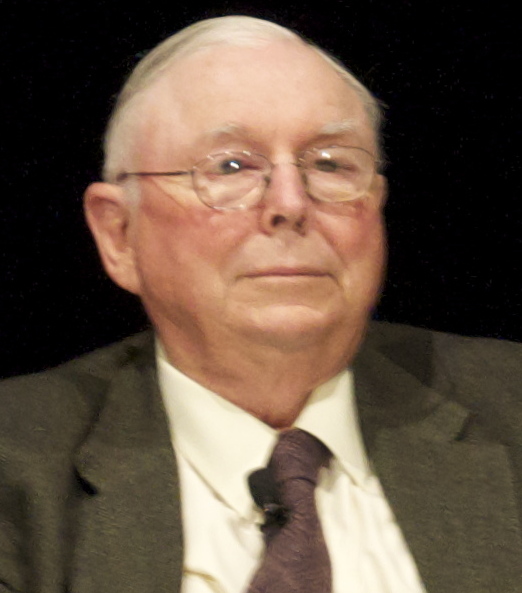 Charlie Mungerrecommends 3 books here
 Warren Buffettrecommends 3 books hereGuy Spierrecommends 3 books here
 Audrey Gelmanrecommends 3 books here
 Balaji S. Srinivasanrecommends 3 books here
 Ed Cookerecommends 3 books here
 Garry Tanrecommends 3 books here
 James Cameronrecommends 3 books here
 John Maedarecommends 3 books here
 Julie Zhuorecommends 3 books here
 Justin Kanrecommends 3 books here
 Keith Raboisrecommends 3 books here
 Nir Eyalrecommends 3 books here
 Peter Attiarecommends 3 books here
 Scott Farquharrecommends 3 books here
 Tobi Lütkerecommends 3 books here
 Tom Bilyeurecommends 3 books here
 Trevor Ncuberecommends 3 books hereBrad Feldrecommends 2 books here
 Chris Andersonrecommends 2 books here
 David Heinemeier Hanssonrecommends 2 books hereBrené Brownrecommends 2 books here
 Chade-Meng Tanrecommends 2 books here
 Charles Kochrecommends 2 books here
 Chris Saccarecommends 2 books here
 Daniel Burkarecommends 2 books here
 Daniel Ekrecommends 2 books here
 Daniel Grossrecommends 2 books here
 Demis Hassabisrecommends 2 books here
 Dustin Moskovitzrecommends 2 books here
 Fred Wilsonrecommends 2 books here
 Jack Dorseyrecommends 2 books here
 Jane McGonigalrecommends 2 books here
 Kevin Roserecommends 2 books here
 Mark Cubanrecommends 2 books here
 Patrick Bet-Davidrecommends 2 books here
 Phil Libinrecommends 2 books here
 Ryan Petersonrecommends 2 books here
 Sheryl Sandbergrecommends 2 books here
 Steve Jurvetsonrecommends 2 books here
 Susan Cainrecommends 2 books here
 Tony Hsiehrecommends 2 books here
 Travis Kalanickrecommends 2 books here
 Vlad Tenevrecommends 2 books here
 Howard Marksrecommends 1 book here
 Jim Collinsrecommends 1 book here
 Prem Watsarecommends 1 book hereTyler Cowenrecommends 1 book here
 Albert Wengerrecommends 1 book here
 Blake Mycoskierecommends 1 book here
 Bob Metcalferecommends 1 book here
 Brett Adcockrecommends 1 book here
 Brian Cheskyrecommends 1 book here
 Casey Neistatrecommends 1 book here
 Caterina Fakerecommends 1 book here
 Chamath Palihapitiyarecommends 1 book here
 Changpeng Zhaorecommends 1 book here
 Claire Diaz-Ortizrecommends 1 book here
 Doug McMillonrecommends 1 book here
 Drew Houstonrecommends 1 book here
 Esther Dysonrecommends 1 book here
 Jack Marecommends 1 book here
 Jamie Dimonrecommends 1 book here
 Jason Calacanisrecommends 1 book here
 Jeff Bezosrecommends 1 book here
 Jerry Colonnarecommends 1 book here
 Jim O'Shaughnessyrecommends 1 book here
 Kara Swisherrecommends 1 book here
 Kevin Systromrecommends 1 book here
 Larry Ellisonrecommends 1 book here
 Larry Pagerecommends 1 book here
 Laura R Walkerrecommends 1 book here
 Melanie Perkinsrecommends 1 book here
 Michael Bloombergrecommends 1 book here
 Mike Cannon-Brookesrecommends 1 book hereOprah Winfreyrecommends 1 book here
 Peter Diamandisrecommends 1 book here
 Rana el Kalioubyrecommends 1 book here
 Ruslan Koganrecommends 1 book here
 Scott Belskyrecommends 1 book here
 Sophia Amorusorecommends 1 book here
 Stanley McChrystalrecommends 1 book here
 Stewart Butterfieldrecommends 1 book here
 Tim Cookrecommends 1 book here